



Biomechanical and Kinetic Energy Analysis: Pedestrian Collision Dynamics at 30 km/h versus 50 km/h
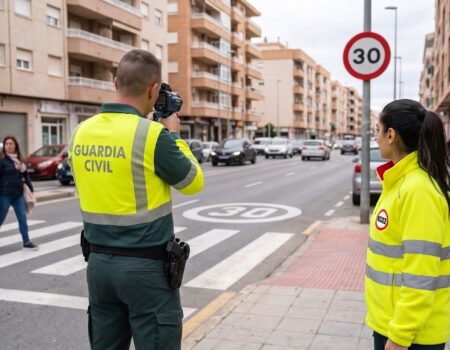
The transition from a 50 km/h to a 30 km/h urban speed limit is often perceived by motorists as an arbitrary regulatory constraint.
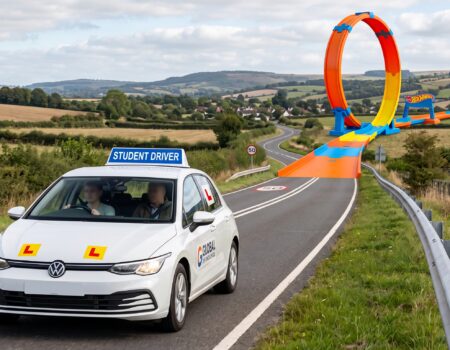
Did We Close the Driving Learning Loop Too Soon?
What if passing the driving test is not the end of learning, but the moment we accidentally stop it?
More Than a Guide: The Thinking Behind N332 Signpost
N332 Signpost is designed to make important road-safety information accessible to as many people as possible. For the October 2026 changes to Spain's traffic laws, that means bilingual guides, clean...

Why We Created the Motorbike Clothing Campaign
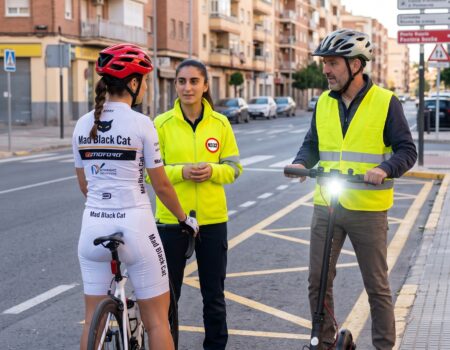
There has been a noticeable increase this year in the number of people using motorbikes, mopeds and electric scooters on the roads, and with that increase has come another trend that is difficult to...

When Driving Becomes the Background Task
Removing manual distraction is not the same as removing distraction when driving.

More Than a Song: Why Stop, Look and Listen Matters
This week, the song, "Stop, Look and Listen", part of the Trafford and Friends initiative from Project Understanding and N332 for Kids, is released.

The Toxic Mirror: What the ROADPOL Marathon Exposes About Driver Impairment
This weekend, the DGT and Guardia Civil launch a continuous 24-hour testing marathon targeting impaired driving. We look at the unique, dangerous cognitive biases of both alcohol and drug use, and...

Why it´s important to STOP at a STOP sign, even if you think nothing is coming!
Many drivers believe that stopping is simply about obeying the law or avoiding a fine. While those are certainly consequences, the real reason goes much deeper. The STOP sign exists because of the...

The Alter Ego Behind the Wheel: What a New Spanish Study Teaches Us About Driving Psychology
A major new study reveals that 75% of drivers completely transform into an aggressive alter ego behind the wheel. We take a deep dive into the safety psychology of deindividuation and cognitive bias...

The Psychology Behind a Helmet Awareness Campaign
Road safety is in focus right now—and that includes how we protect ourselves.