

Road safety is not just about what the law requires. It is about understanding what happens when the human body meets the road.
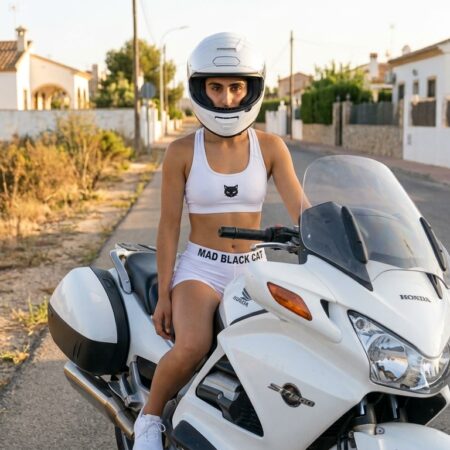
There has been a noticeable increase this year in the number of people using motorbikes, mopeds and electric scooters on the roads, and with that increase has come another trend that is difficult to ignore: more riders travelling with significant areas of their bodies exposed.
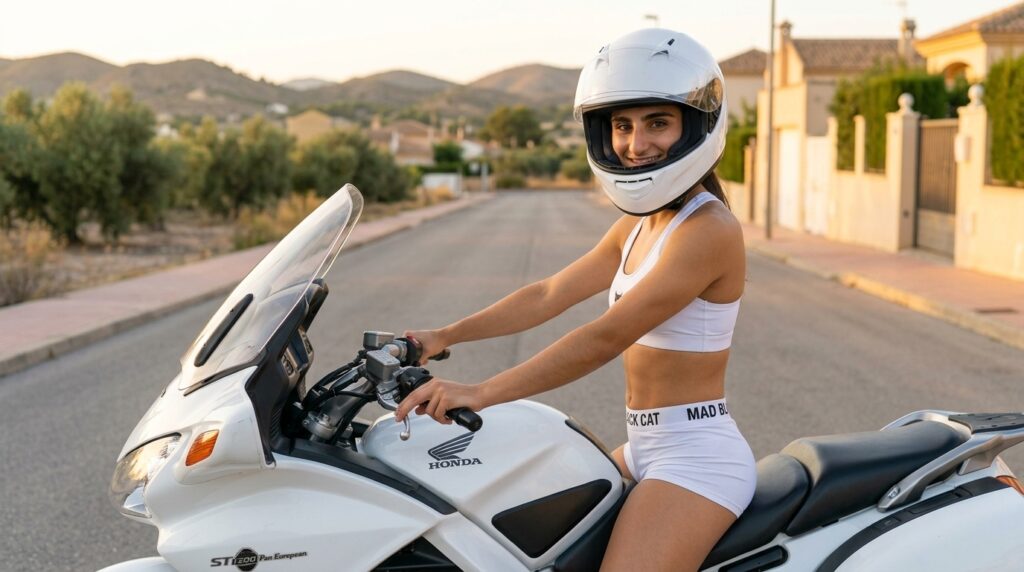
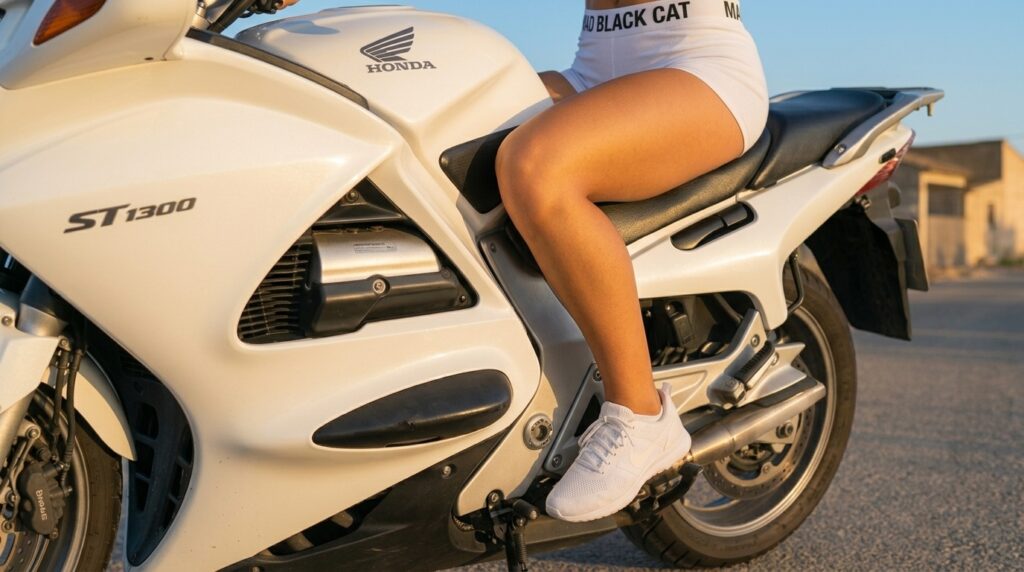
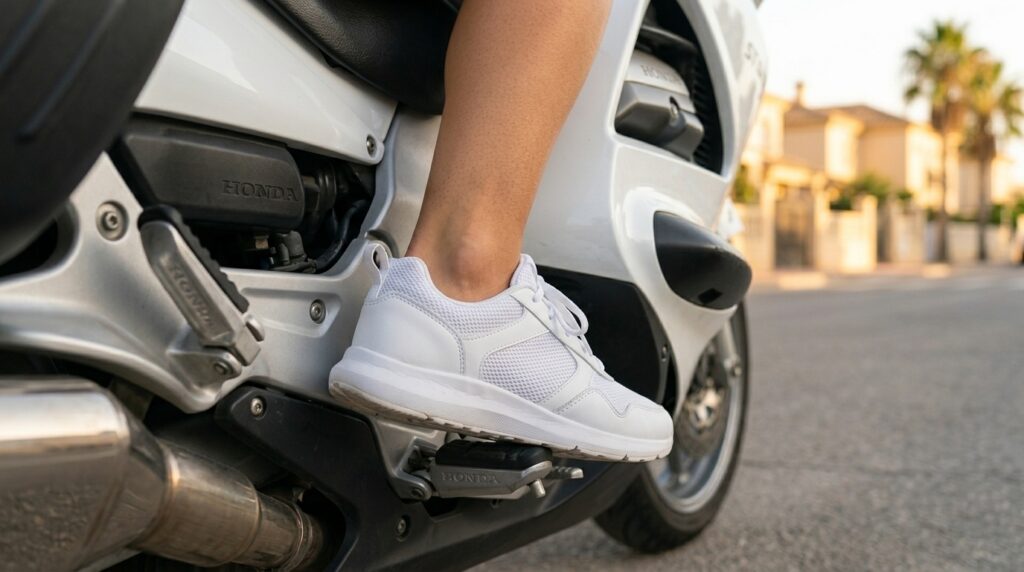
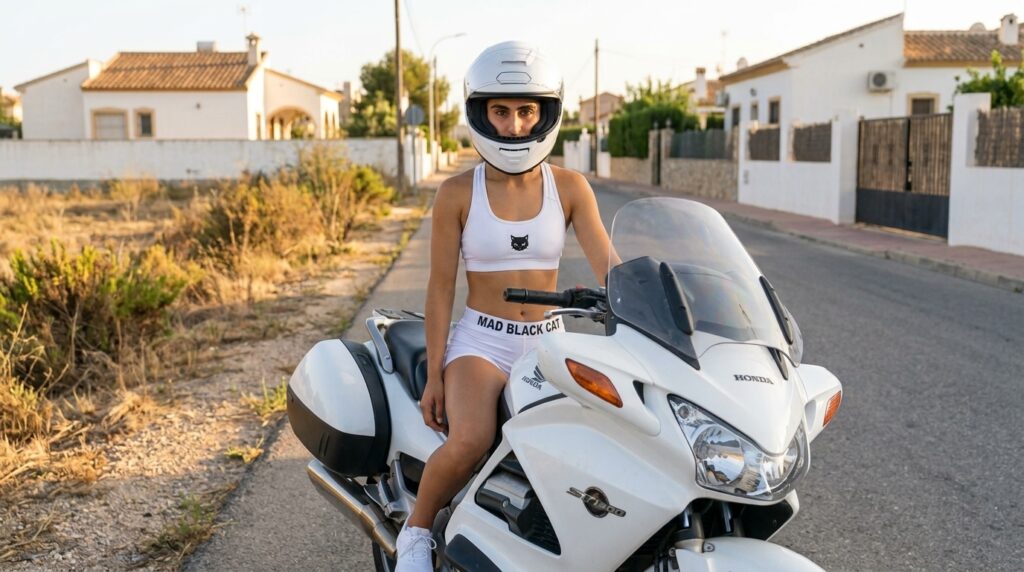
In particular, legs and arms are increasingly being left unprotected. Shorts, vest tops, trainers and other everyday clothing may be perfectly comfortable in hot weather, but they offer very little protection when the person wearing them is involved in a fall.
That observation is what prompted the creation of our latest road safety campaign.

The law can only go so far
Spain is introducing stricter requirements for riders later this year, including requirements relating to appropriate footwear. That is a positive step, but it does not address the full vulnerability of the human body when riding a two-wheeled vehicle.
Feet are important, but they are not the only part of the body at risk.
When a rider loses balance or control, the body’s response is often instinctive. Before there is time to think, feet can move away from the vehicle, hands can reach towards the ground, and knees and elbows can move beyond the protection offered by the motorcycle itself.
Those are perfectly natural human reactions.
Unfortunately, the road does not distinguish between an instinctive reaction and a deliberate one.
The knees and elbows are particularly exposed when a rider is wearing shorts or a vest top. They can become the first points of contact with the road, potentially resulting in serious injury.
This is why the campaign is deliberately about more than legislation.
We want people to understand why protective clothing matters, rather than simply telling them that they should wear it.
Why Riley?
The decision to use Riley for this campaign was deliberate.
Road safety messages can sometimes become disconnected from the people they are intended to reach. A formal warning from an authority may be accurate and important, but younger audiences can sometimes switch off when they believe they are being lectured.
Riley provides a different way into the conversation.
She helps bridge the generational gap. She is young enough to be relatable to teenagers and young adults, but the message itself is relevant to every rider.
She also allows the campaign to cross another important boundary: language.
Riley presents the campaign in both English and Spanish, allowing the same safety message to reach a much wider audience in Spain. This is particularly important in communities where Spanish and English-speaking residents live alongside one another.
The intention is not to create two different messages.
It is to create one safety message that more people can understand.
Showing the instinctive reaction
The video begins deliberately.
Riley is speaking to the camera through her helmet intercom while dressed in very short shorts and a vest top. She openly acknowledges that she is not dressed appropriately for riding and then explains why.
She then demonstrates what can happen when a rider loses control or balance.
It could be something on the road. A pothole. A sudden change in direction. Wind. A momentary loss of concentration.
The cause does not necessarily matter.
What matters is what the body does next.
The video shows how our feet, knees, hands and elbows can instinctively move away from the motorcycle’s protection as we try to steady ourselves or prevent ourselves from hitting the road.
It is a simple demonstration of something that is easy to overlook: our instincts are designed to protect us, but they can also expose us to injury.
The campaign uses footage from an Australian road safety video to reinforce the point and demonstrate just how quickly contact with the road can result in injury.
The intention is not to frighten riders.
It is to make them think.
Protection should not depend on the temperature
One of the biggest challenges in Spain is the weather.
When temperatures rise, protective motorcycle clothing can feel uncomfortable. It is understandable that people want to remove layers and wear lighter clothing.
But the road does not become softer because the temperature is higher.
A fall at 35°C can be just as unforgiving as a fall at 15°C.
The campaign therefore ends with a simple message:
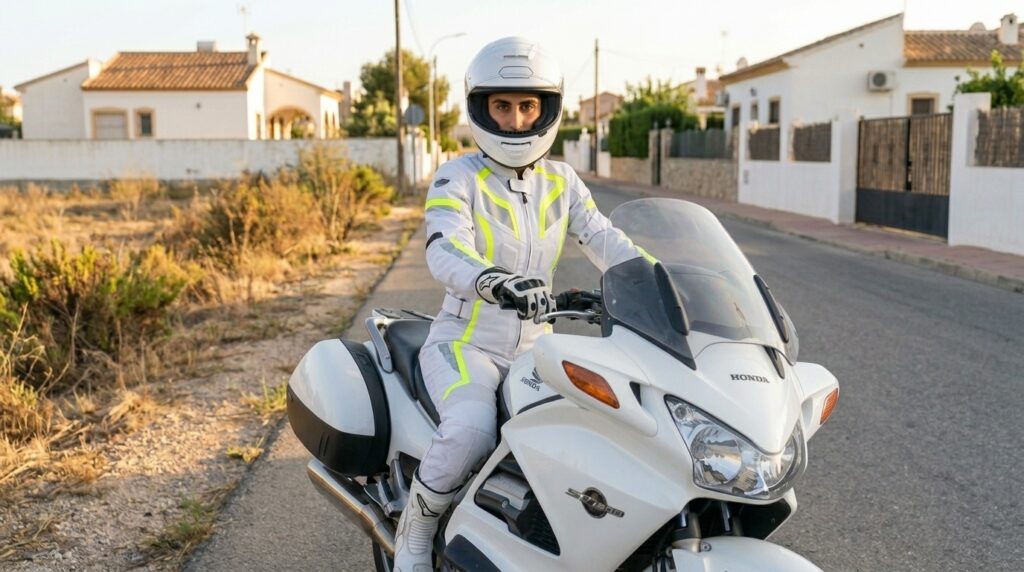
Always dress appropriately, whatever the weather.
It is not a complicated instruction. Nor is it intended to dictate exactly what every rider must wear.
It is about encouraging people to recognise the risks and make an informed decision to protect themselves.
Making the campaign available
The English and Spanish versions of the video are being offered to interested and concerned organisations, including local police forces in Spain.
The videos will also form part of the educational material used during forthcoming N332 road safety talks in schools.
This is an important part of the campaign’s purpose.
A road safety video should not simply exist online. If it can help someone understand a risk, start a conversation or change a behaviour, then it should be made available wherever that conversation can take place.
That includes schools, community organisations, police initiatives, road safety groups and social media.
And this is not the end
The clothing campaign is part of a wider series of road safety messages looking at the vulnerabilities of people using two-wheeled vehicles.
A short campaign about crash helmets has already been published, but another, more detailed campaign will follow.
That campaign will look beyond the simple instruction to “wear a helmet” and explain why crash helmets matter, what they are designed to do and why the protection they provide is so important.
The same principle applies throughout the series.
We do not simply want to tell people what to do.
We want them to understand why.
A little humour at the end
The subject matter of this campaign is serious, but we deliberately chose not to leave viewers with an entirely sombre ending.
Because Riley is an AI-generated character, we could safely give her the sort of reassuring film-credit disclaimer traditionally associated with animals and stunt performers:
“No Rileys were harmed in the making of this video.”
It is a small joke, but it serves a useful purpose.
Road safety education does not always have to be frightening, dramatic or heavy. Sometimes a little humour makes an important message more memorable.
And, in this particular case, it gives Riley the last word.
Always… Be safe.
That is ultimately what this campaign is about.
Not legislation.
Not statistics.
Not frightening people into compliance.
Simply encouraging riders to recognise how vulnerable the human body is when it meets the road, and to take responsibility for protecting it.

Other Articles
More Than a Guide: The Thinking Behind N332 Signpost
When Driving Becomes the Background Task